
Why catering is crucial for corporate events
Catering for corporate events does several jobs at once. Done well, it:
-
Sets the tone from the moment guests arrive.
-
Keeps energy levels up and minds focused.
-
Gives breaks a structure, which helps engagement.
-
Reflects your company’s attention to detail.
-
Gives guests something to talk about.
Common event types that require catering
Seminars and workshops
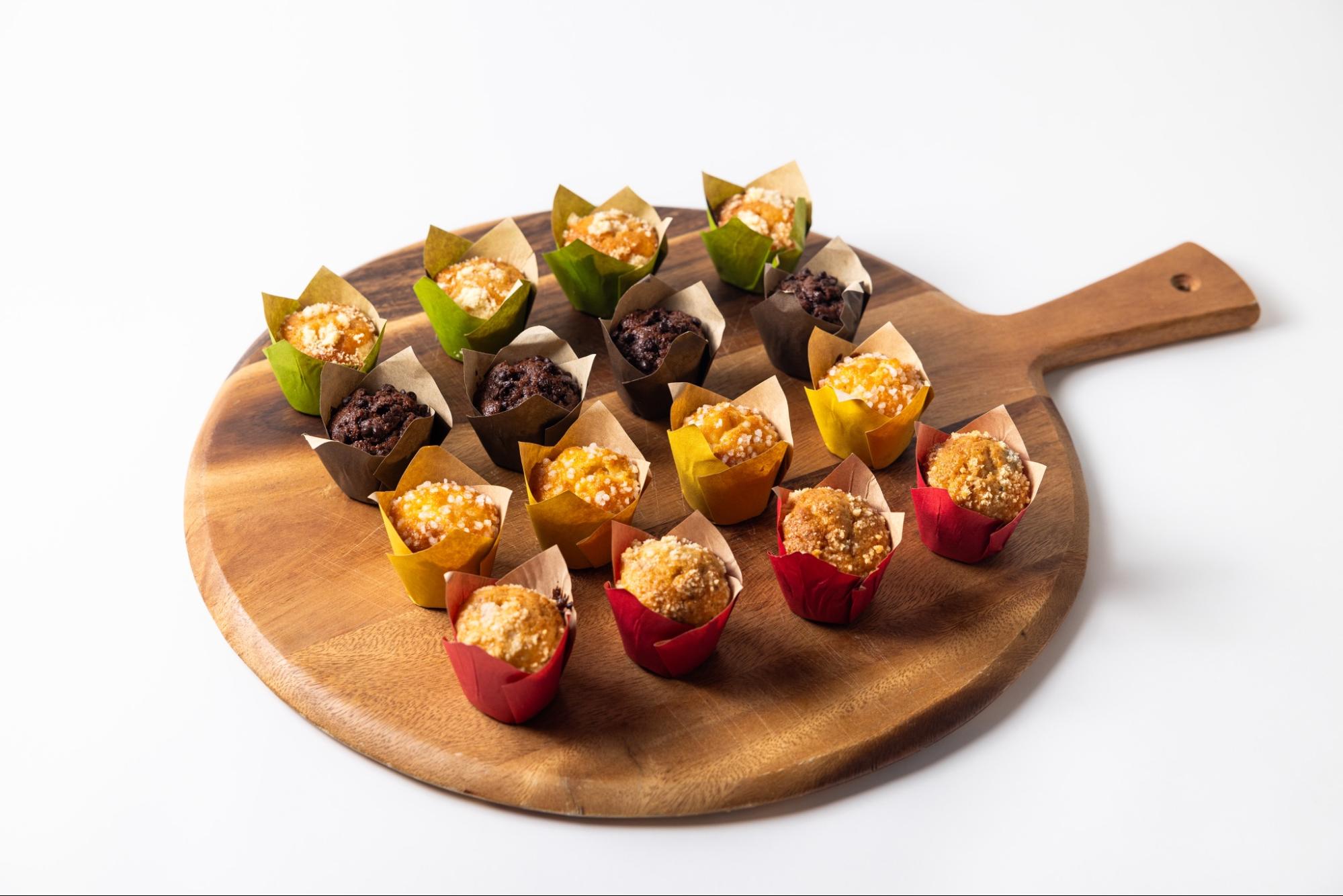
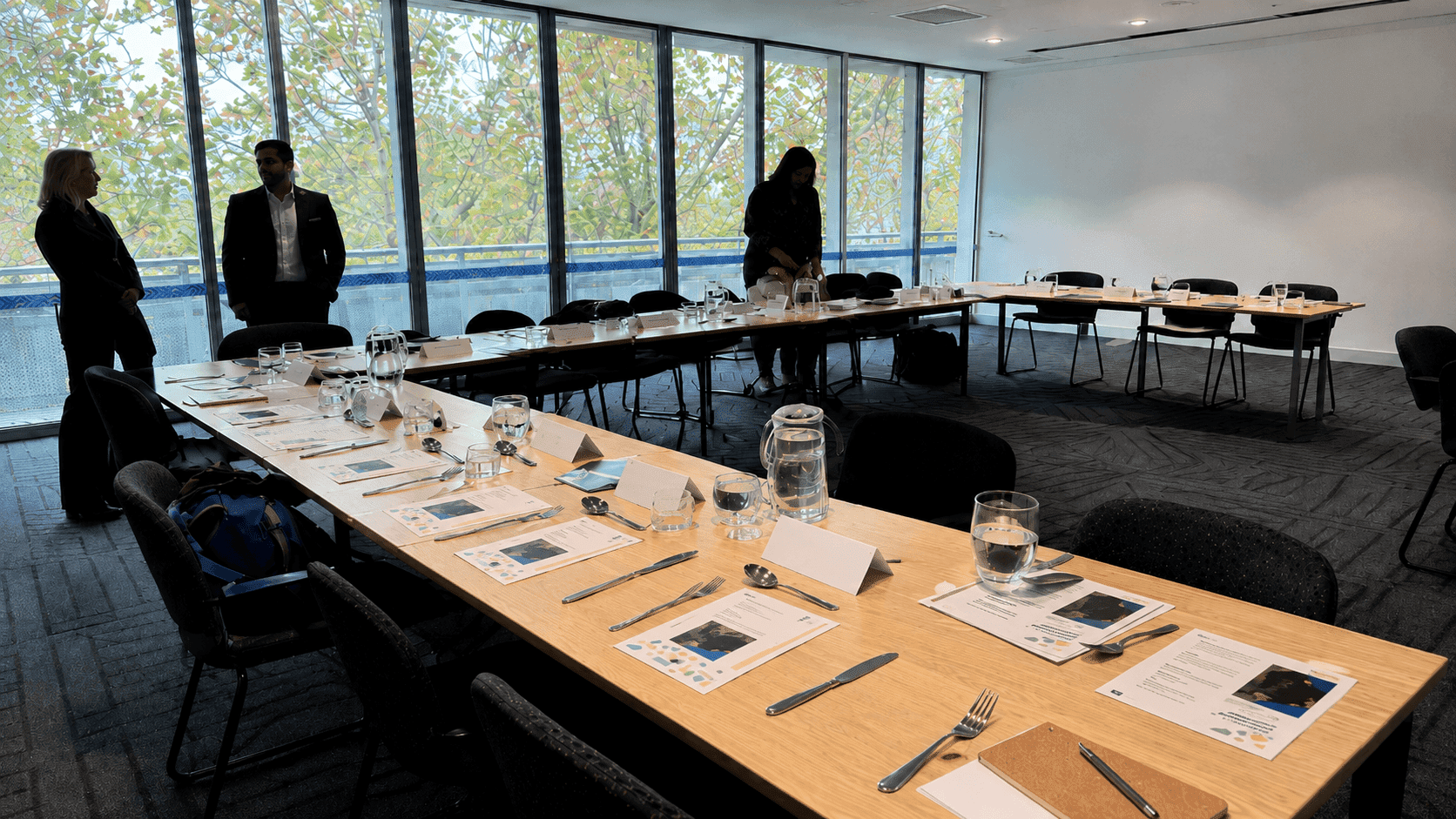
Usually half-day or full-day, with scheduled coffee breaks and lunch. Catering should cover breakfast treats, morning refreshments and a nourishing midday meal.
Product launches
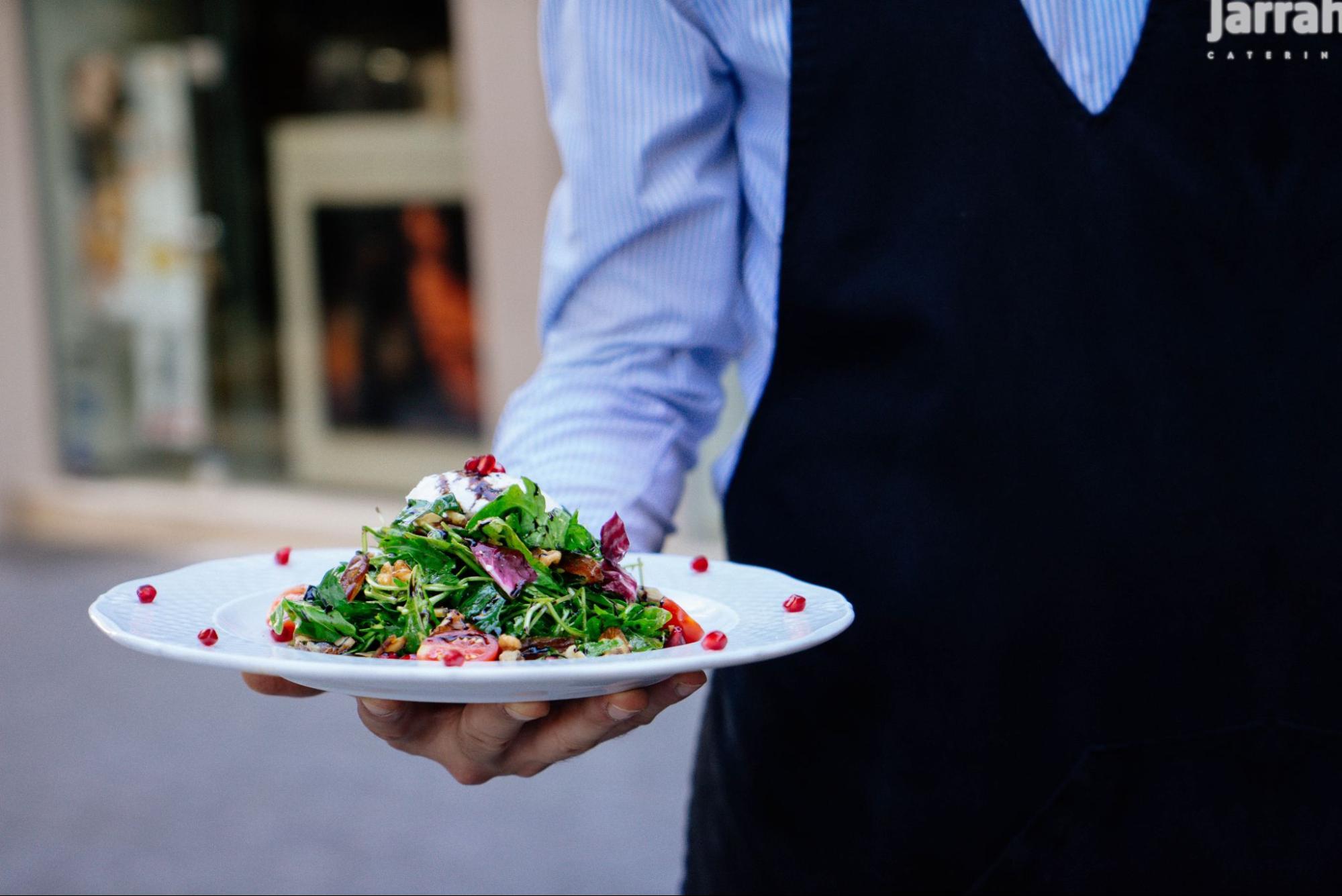
Guests mingle and network, so choose formats that support movement, such as canapé stations or cocktail-style plates. Our Canapé Style Catering options suit this.
Training days
Longer sessions call for practical, satisfying food: boxed lunches or hot buffet-style meals. Our Hot Luncheons page has ideas for longer corporate sessions.
Internal town halls
Casual but focused. Grazing boards, coffee stations and self-serve buffets suit relaxed group settings. Our Events Page has more ideas.
Popular catering formats
Buffet
Suits large gatherings that need choice and flexibility. Guests serve themselves, which works for casual to semi-formal settings.
Individual boxes
Efficient for structured events such as training or sessions where attendees stay in their seats. Clean, convenient and hygienic.
Canapé style
Bite-sized food for networking or cocktail events where guests stand, mingle and move. See our Canapé Style Catering offering for handheld options.
Hot lunches
When warmth and substance matter, hot meals served buffet-style or plated suit the occasion. Our Hot Luncheons page lists hot meal options.
Choose a format based on the event’s type, flow and budget.
Menu ideas based on event type
Match the food to the format and the schedule.
Morning meetings
Breakfast rolls, yogurt pots, fruit cups and takeaway coffee. Light, fresh and energising.
Midday training or workshops
Wholesome wraps, build-your-own grain bowls, salads and protein boxes keep attendees alert and nourished.
Evening networking or launch events
Canapés, grazing boards or small bites encourage interaction and suit the tone of the occasion.
Informal staff gatherings
Sliders, sharing boards, comfort food and salads keep things relaxed.
Dietary-friendly menus
Offer vegan, vegetarian, gluten-free, dairy-free and nut-free options, and label items clearly so everyone can see what suits them.
Logistics planning
Lead times
-
Standard menus: allow 2–4 weeks.
-
Custom or large-scale events: plan 6–8 weeks in advance.
Setup and equipment
Identify venue needs: tables, platters, cutlery, chafing dishes. Decide between drop-off and fully staffed delivery.
Staffing
-
Small events: minimal staff for setup.
-
Buffets and hot food: servers to replenish and monitor.
-
Canapé hours: roaming staff for service and guest assistance.
Service style
-
Self-serve: informal, flexible, but may require supervision.
-
Assisted: staff manage hygiene and flow.
-
Fully served: suits the most formal events.
Match the service style to guest expectations and venue requirements.
How catering supports event goals
Reinforce your brand
Custom menu names, sustainable packaging and locally sourced ingredients reflect brand values. Branded signage or team-themed stations are options.
Boost employee morale
Good food makes people feel appreciated. Interactive elements such as build-your-own taco bars or specialty coffee stations add to the mood and engagement.
Enhance guest experience
Faster, well-coordinated service improves flow and keeps attendees happy. Touches such as mocktail bars or custom dessert platters give guests something to remember.
Next steps in planning
Use this checklist to bring your catering plan together:
-
Identify event type, goals, date, and headcount.
-
Select a format (buffet, boxes, canapés, hot lunch).
-
Define dietary needs and logistical requirements.
-
Book early, especially for custom or large-scale menus.
-
Request a tailored quote.
-
Read our guide Smart Business Catering Tips for execution advice.
To start your booking, visit our Order Now page.
Frequently asked questions
What types of corporate events need professional catering?
Seminars, workshops, product launches, town halls, team-building days and seasonal gatherings all benefit from professional catering for consistent quality and flow.
How do I decide between buffet or boxed catering for my event?
Choose based on your event’s pace and formality. Boxed meals suit structured or hygiene-focused events. Buffets give variety and casual interaction when time and space allow.
What’s a good catering timeline for corporate events?
For standard menus, aim for two to four weeks notice. For events requiring large quantities or customised menus, plan six to eight weeks ahead for optimal coordination.
Can we customise menus for dietary preferences?
Yes. Menus can include vegan, gluten-free, dairy-free and allergy-sensitive options, always clearly labelled for attendee confidence.
Does Jarrah Catering service Brisbane CBD and surrounding areas?
Yes, we offer catering services across Brisbane CBD and neighbouring suburbs. See our corporate catering Brisbane page for details.
For more practical planning detail, read our Smart Business Catering Tips, or send an enquiry through our Order Now page.